
A volunteer community group in the Shire of Nillumbik, Victoria Facebook
Nillumbik Horse Action Group — home
Become a member
Become a member
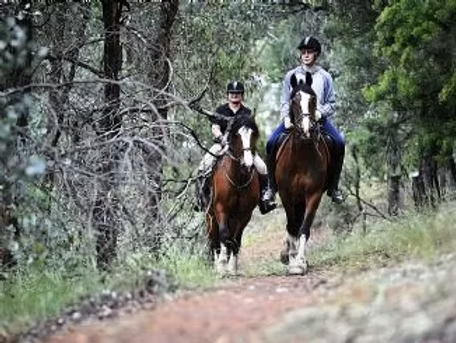
Riders on a bush trail in Nillumbik
Manage · Preserve · Enjoy

Nillumbik Horse Action Group Keeping Nillumbik’s trails open to horse riders

Helping horse riders enjoy and preserve the environment of the reserves and roadside verges of Nillumbik Shire.

What is NHAG?
Read the Code of Conduct
A voice at council Liaising with Nillumbik Shire Council on behalf of riders.
Trails kept open Equitable, ongoing access to the shared trail network.
Hands-on care Coordinating trail maintenance and environmental works.
Riding done right Educating trail users on our Code of Conduct.
What is NHAG?

An informed voice for the horse riding community

The NHAG is a committed group of community minded residents, formed to support and advocate on behalf of horse owners and riders within the Shire of Nillumbik.

Our main aim is to act as a liaison with Nillumbik Shire Council and to be an informed voice for the horse riding community.

We work to preserve, maintain and improve the shire's shared trail network and the equine culture and character of rural Nillumbik, which we believe contribute significantly to the appeal, amenity, economic and environmental viability and sustainability of the Nillumbik Green Wedge.

We promote informed land management on rural properties and value council's support in this.
More about us
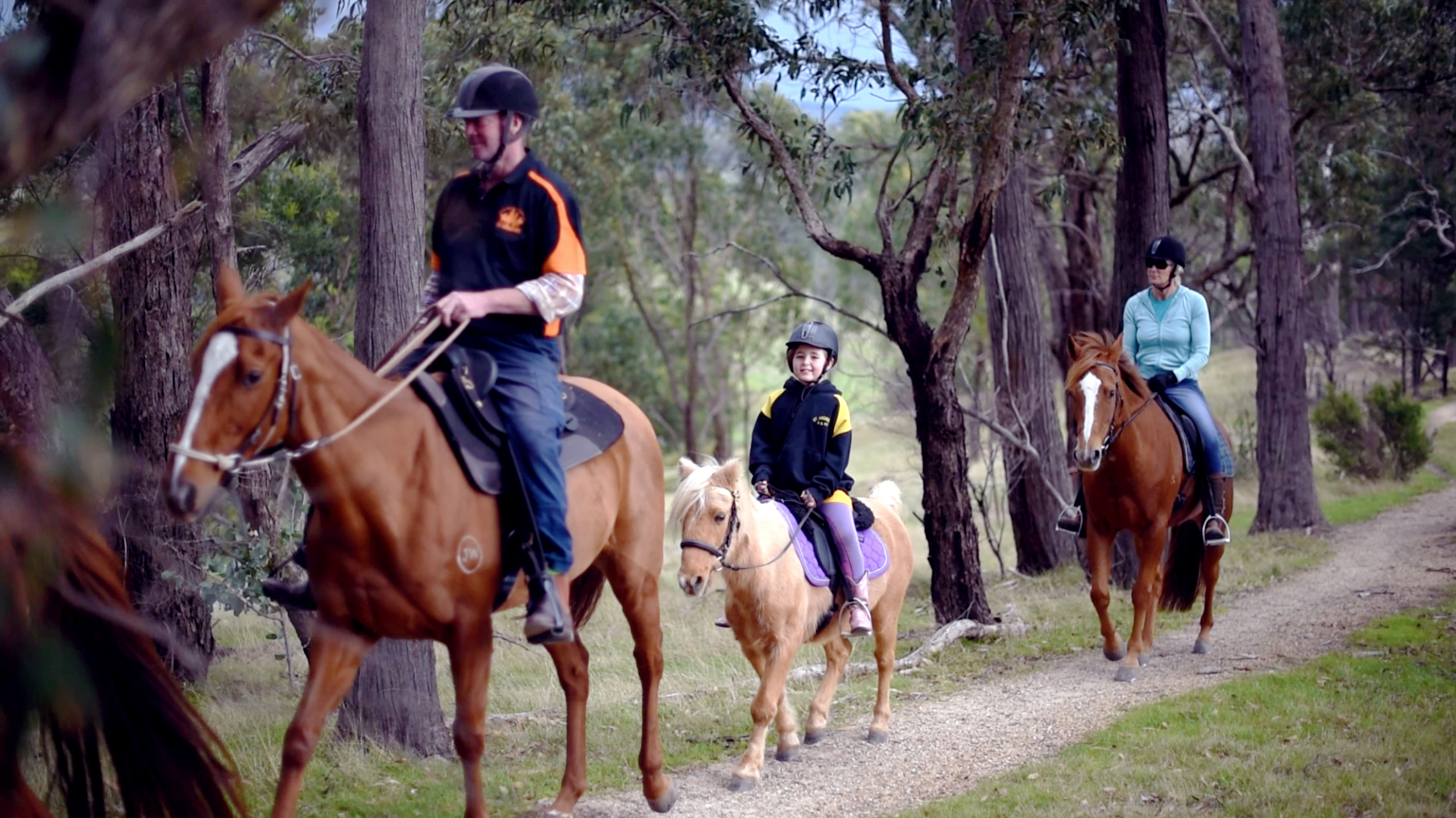
Riders on the trail
NHAG also
  • Acts as a primary contact for council and other authorities to relay information to local horse riding clubs and individuals within Nillumbik.
  • Educates trail users on both our and other Codes of Conduct to encourage responsible trail use that is respectful of all user groups and the environment.
  • Coordinates people to assist with trail maintenance and environmental works with council.
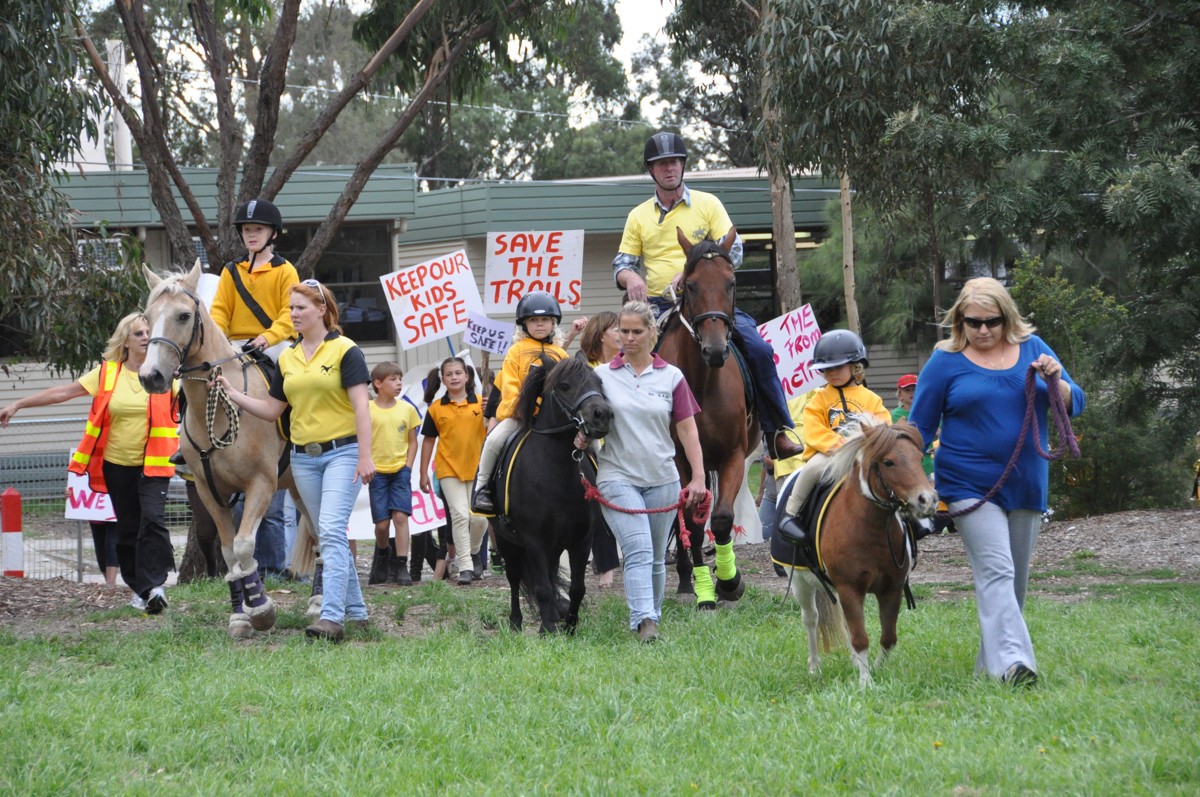
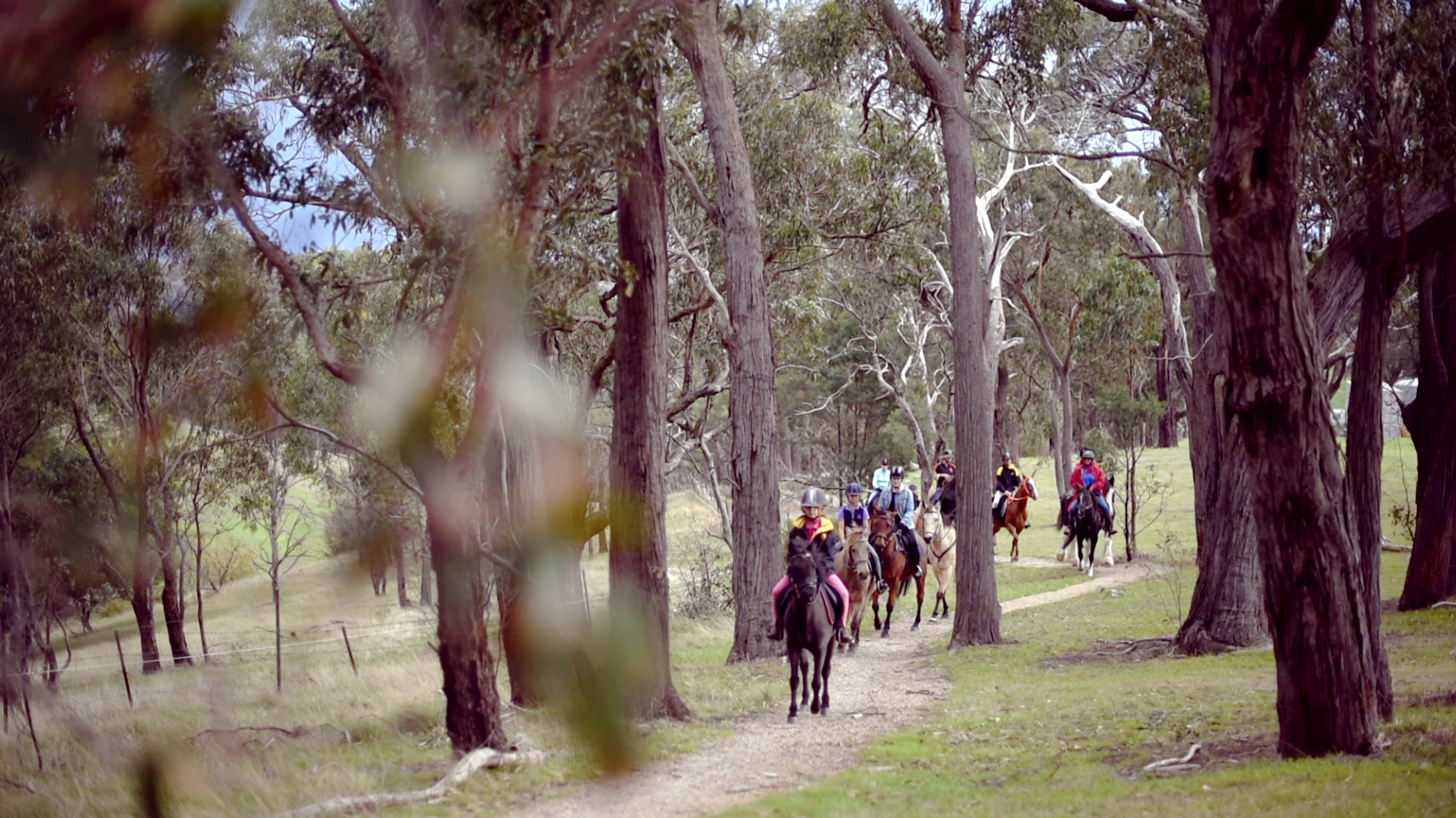
Young riders on a shared trail
Watch your hoof prints

A Code of Conduct for horse riders

Riding the shared trails in Nillumbik Shire continues to be a source of great pleasure and enjoyment for many local residents. With this in mind, NHAG have put together the Code of Conduct for horse riders to abide by.

When riders conduct themselves responsibly and follow this Code of Conduct, horse riding can be a safe, low impact means of experiencing, appreciating and enjoying our local natural environment.

Please assist us to care for special areas such as the community reserves and the trails throughout the shire to ensure they remain available for the pleasure and enjoyment of all users.

Read the Code of Conduct
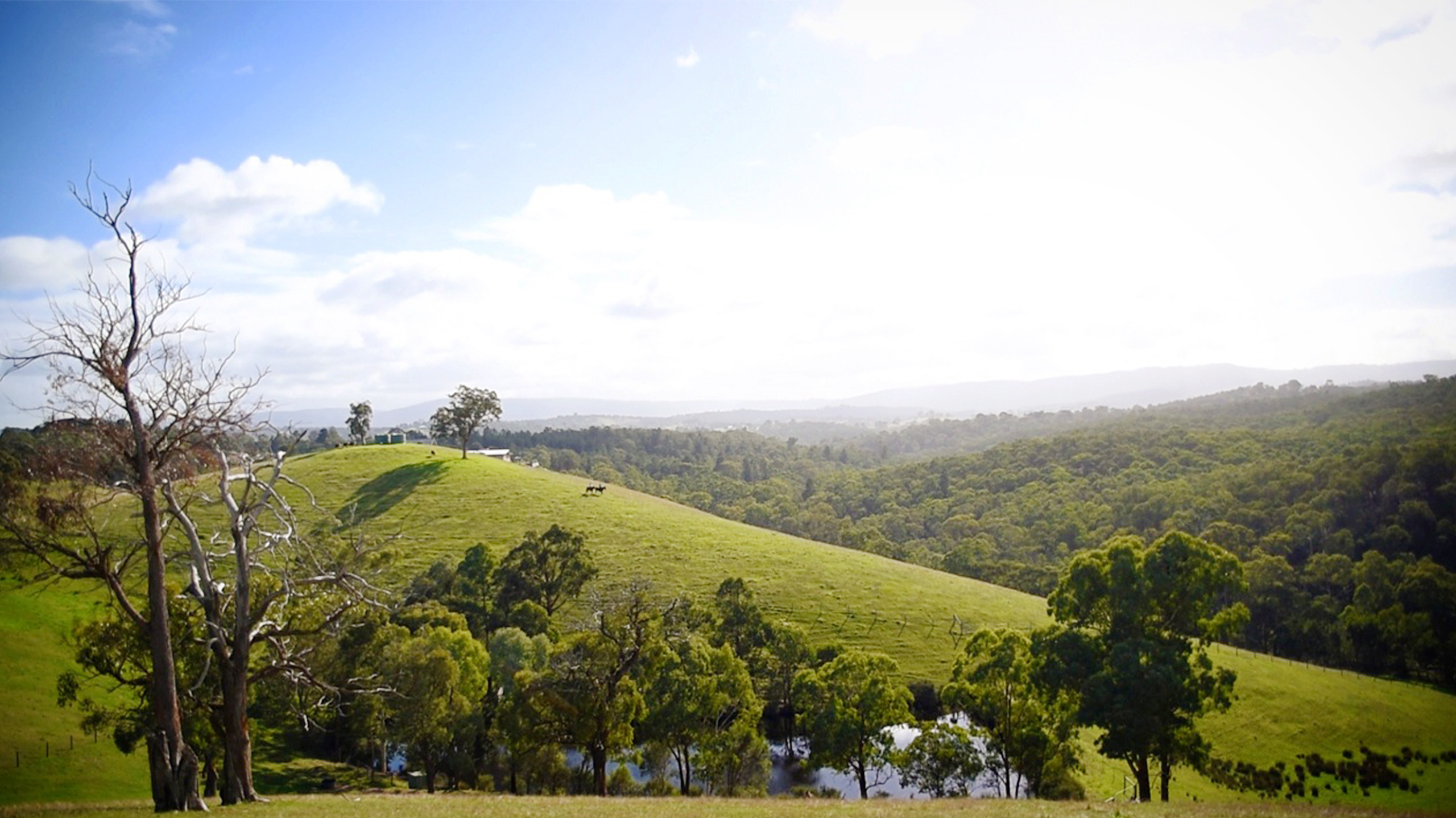
The green hills of Nillumbik
Membership

Need to know more? Join others at NHAG. Stay informed today.

Get informed, engaged and connected — add your support and stay in touch with what's happening on your local trails.

Become a member
Free download

Safe Trail Riding Booklet

Everything a rider needs before heading out: trail etiquette, sharing with walkers and bikes, hygiene, and what to do if things go wrong.

Download the booklet
Trail Facts

What the research actually says

Erosion, weed spread and environmental impact are the arguments most often used against horse riders. Here’s what the evidence shows.

Read the trail facts
Our history

How we won back the Panton Hill trails

A petition of 1,547 signatures, 150 riders on the council steps and eighteen months of submissions. The press archive from the campaign.

Read the archive
Proudly sponsored by Hurstbridge & Districts Community Bank Branch — Bendigo Bank
About us

Supporting horse riders' needs within the Shire of Nillumbik and beyond

The N.H.A.G is a focussed community group formed to support horse rider's needs within the Shire of Nillumbik and beyond. Maintaining equitable access for horse riders to the shared recreational trails within the shire is a priority.

We work to promote safe, responsible and respectful trail horse riding both within the reserves and on the roadside verges of Nillumbik Shire.

The N.H.A.G strives to keep our local heritage alive and to encourage healthy, active lifestyles in the process.

Most people understand the importance of behaving responsibly. Our aim is to preserve the local natural environment and landscape which we appreciate and enjoy and to ensure it's sustainable and ongoing use.
Get informed, engaged and connected Subscribe to our email list today — email nhag@nhag.org.au and we'll keep you up to speed.
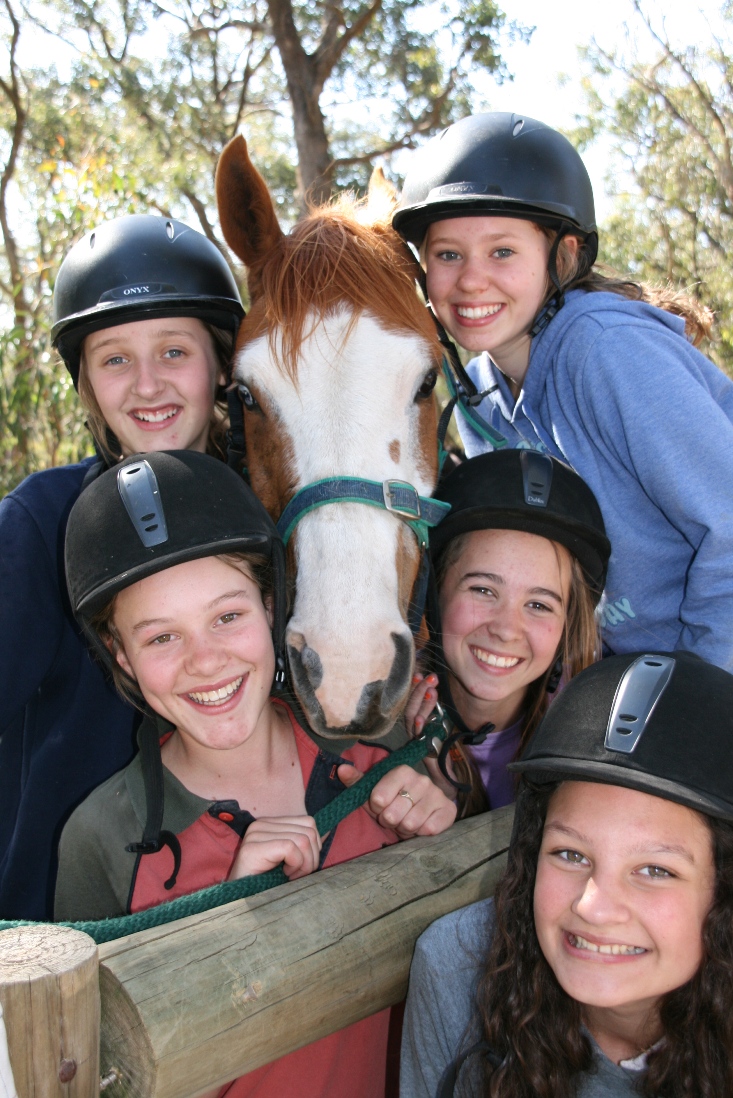
Young riders with their horse Keeping our local heritage alive — and the next generation in the saddle.
Statement of purpose

What we set out to do

{{ p.n }} {{ p.text }}
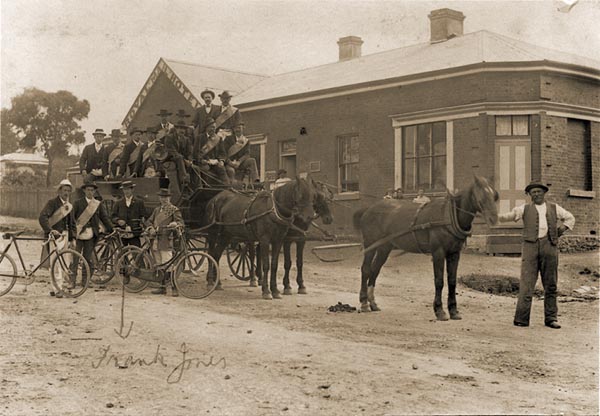
Historic photograph of horses at the corner of Inglis and Chute Street, Diamond Creek
Equine heritage

Horses have shaped Nillumbik for generations

The equine culture and character of rural Nillumbik contributes significantly to the appeal, amenity and sustainability of the Green Wedge. Protecting the trails protects that history too.

Read our history
Corner of Inglis and Chute Street, Diamond Creek. Image courtesy of the Nillumbik Historical Society.
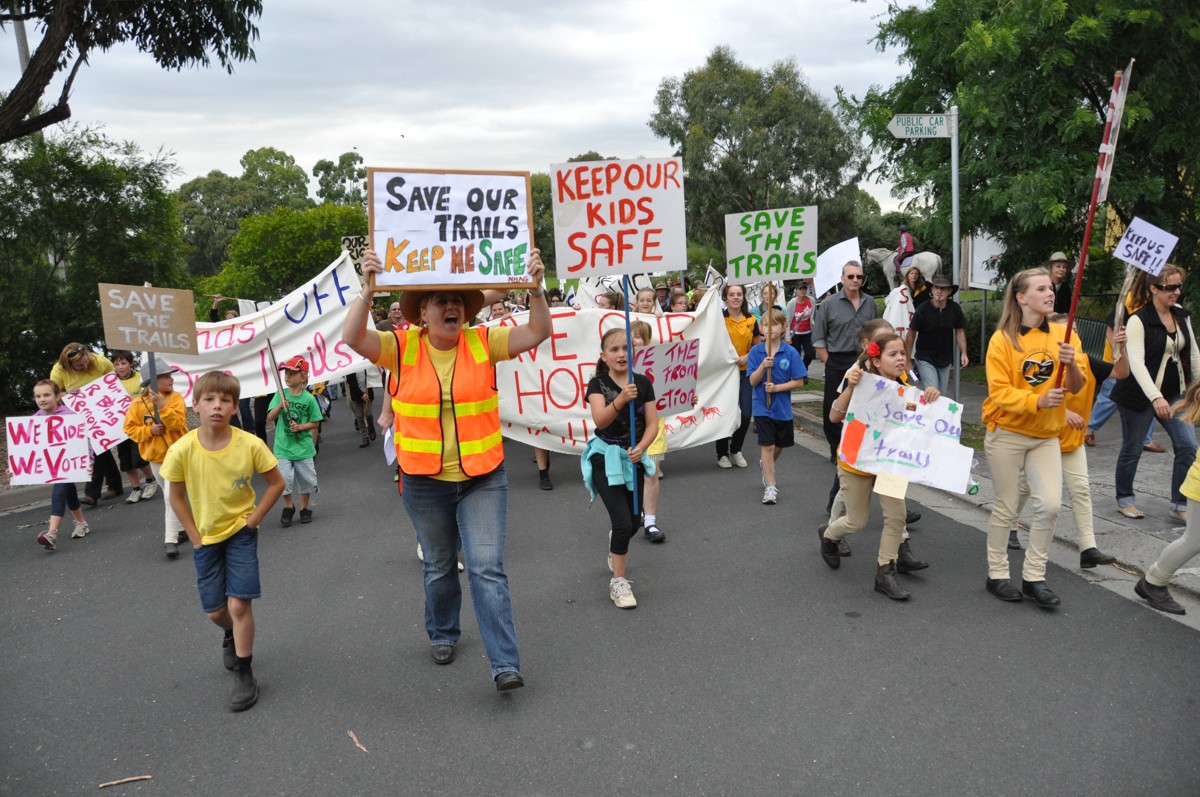
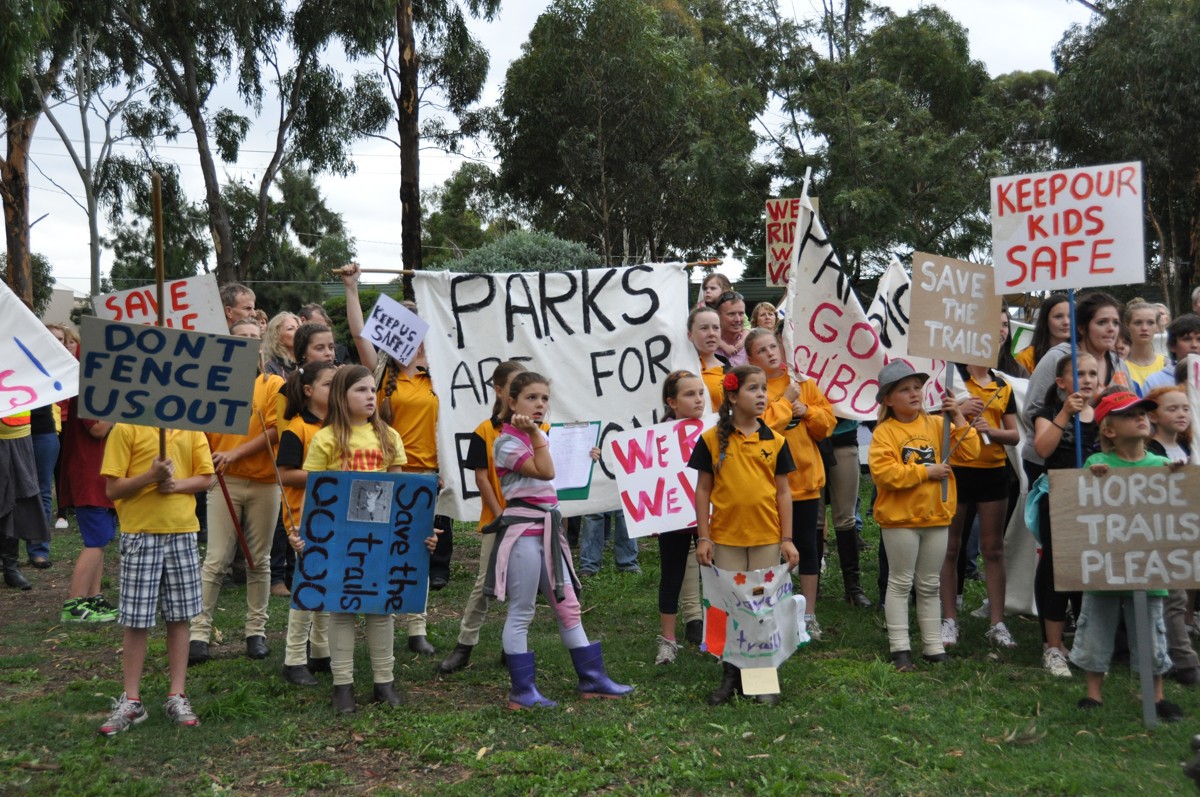
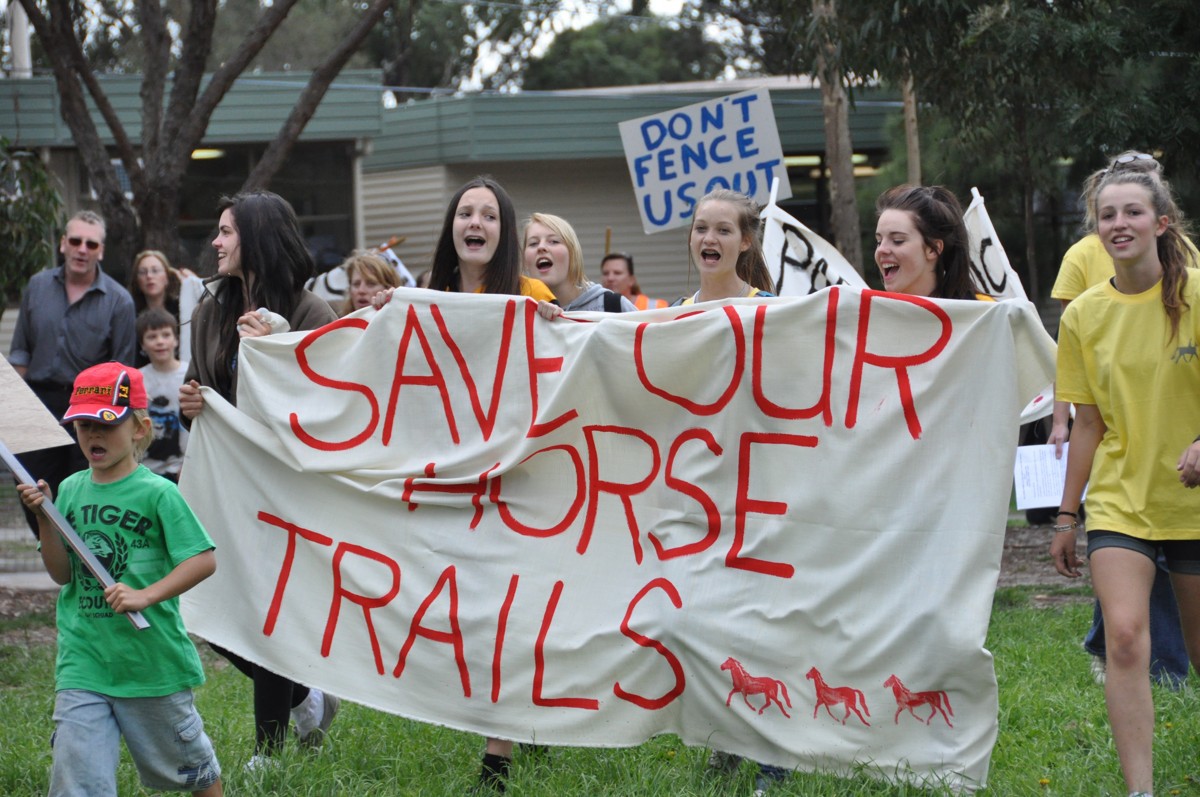
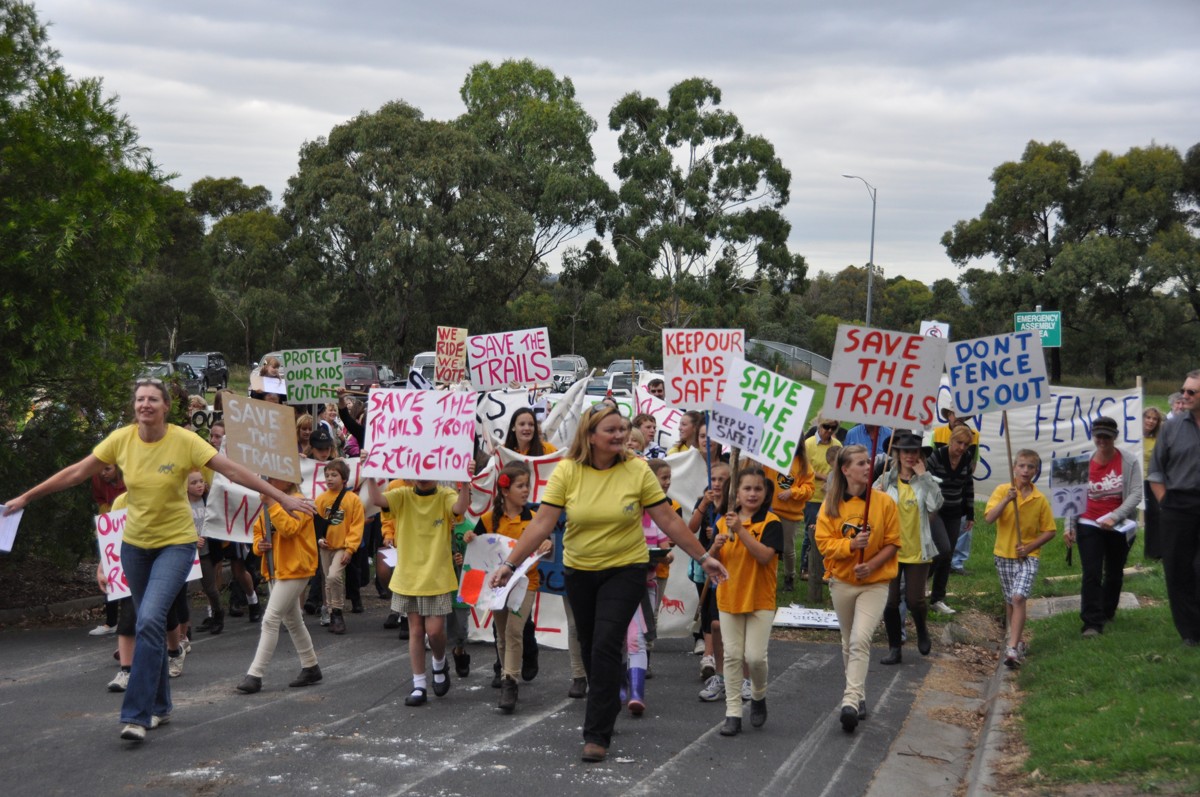
Riders and families marching with Save The Trails placards
Our history

History of the Nillumbik Horse Action Group Inc.

It all started with a plan….

2007

The Panton Hill Bushland Reserve System Management Plan

On the 14th March 2007 Nillumbik Shire Council convened an information session for residents of the Shire of Nillumbik regarding the Draft Panton Hill Bushland Reserve System Management Plan. This plan was devised to formalise how 7 local community bushland reserves were to be managed and enjoyed by locals.

The meeting was held in the modest Panton Hill Living & Learning Centre (presumably not anticipating a very big turn-out). However, it was not long before the main room was filled to capacity with over 90 residents spilling out into the corridor – the local community had turned out in droves!

They had heard about this ‘plan’ which had been a long time in the making.

Many of those present agreed that a management plan was well overdue and necessary to not only care for the natural environment, but to also recognise and provide for the social and recreational needs of the community. However, word had spread that instead of the draft management plan being a considered and balanced one that comprehensively looked at all the aspects, it instead had a singular environmental focus.

The plan was developed by ecological consultants Tree Wishes Landcare Advice, council’s Environmental Works officers and the Friends of the Panton Hill Bushland Reserves group.

There was negligible (if any) consideration of the social and recreational values of the reserves to the community, demonstrated by no consultation with local residents, individuals or community groups who valued and enjoyed the reserves for recreational and wellbeing purposes.

The experience, knowledge and views of recreational users such as horse riders, mountain bikers and walkers was never included in the initial draft management plan, which invariably sought to either restrict or ban entirely, various user groups from the majority of the local historic trails that residents had used and enjoyed for many decades. Horse riders were to bear the brunt of the anti-recreational push to restrict (and in parts completely close) the trail system that ran throughout this public open space, even to the point of horses being referred to as ‘pest animals’ in the document.

The fundamental flaw in the Draft PHBRS Management Plan was that it approached the reserve’s future management almost solely from an environmental perspective. Hence it was not a comprehensive, thorough or balanced document that assisted in meaningful strategic planning and good policy. There was no data or analysis that captured and considered the social, economic and recreational benefits and impacts on local communities, as is required in Local Government planning. The plan’s overtly environmental agenda really stirred outrage in the local community, which they then turned into action.

Following the presentation of the draft plan on the night, the response from those present was overwhelming. When a show of hands was called for to see the number of people who used the reserves recreationally and disagreed with the plan, at least 90% of the room shot their arms up. To all present, including the then Mayor, Warwick Leeson, it was clear that the community was demanding a review and rethink of the whole approach council officers had taken to date. They had not produced a comprehensive management plan in the true sense of the word, but rather an environmental works scoping and wish list.
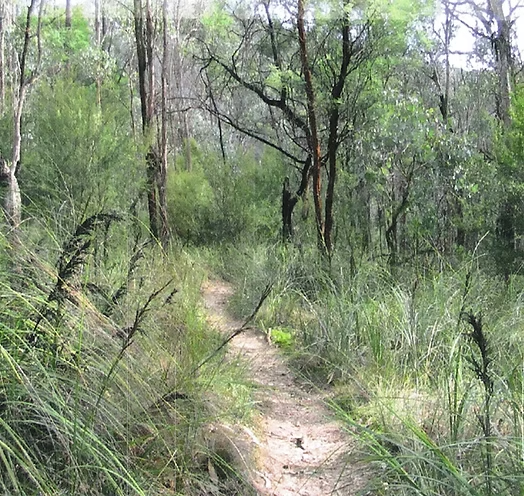
A narrow bush trail through the Panton Hill reserves A bush trail in the Panton Hill Bushland Reserve System.
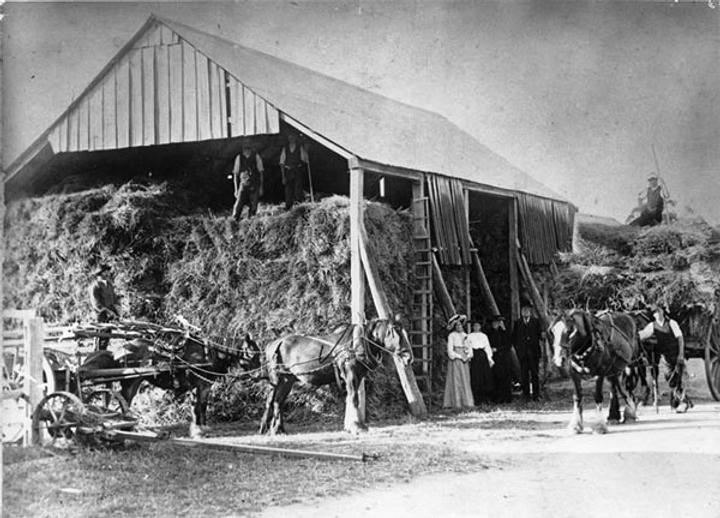
Archive photograph of horses in Nillumbik Horses have been part of this landscape for more than 150 years.
1998 onwards

Background of the Panton Hill Bushland Reserve System

When the Panton Hill Bushland Reserves were purchased by Eltham Shire Council in 1998, they were never intended to be purely for conservation purposes. Rather that they also provide for the recreational enjoyment (including trails) of the shire’s residents as well. This recognised the community’s ongoing use of this and surrounding land for over 150 years, be it (historically) for gold mining, wood cutting, mixed subsistence farming, orchards, market gardens and eventually from the 60’s and 70’s, the classic 20 acre ‘hobby farms’. These smaller properties have always been popular for horse ownership, and as such, horse riders were drawn to the area.

Following the March meeting of 2007, community submissions to the draft plan were somewhat reluctantly invited by council. However, it took until November 2010 for a second draft to be endorsed by council for public comment. In the intervening time, a promised ‘working group’ of interested stakeholders never eventuated and despite attempts by the horse riding community to keep the dialogue open in council to find a reasonable and equitable outcome, the issue became ‘too hot to handle’ and stagnated, unresolved.

Finally, the second round of public submissions were received until February 2011, with horse riders providing 104 submissions or 83% of them. What followed was a long journey of debate which included many meetings, document reviews, a petition to council of over 1500 signatures, a public rally by several hundred horse riders on the steps of the council offices in Civic Drive, educational walks (with all land management stakeholders – council, Parks Vic and Melbourne Water) throughout the reserves’ trail system, petitioning of councillors, letters and submissions in the hundreds, and a night of presentations to council. Finally, four years after the first draft management plan proposal, a sensible and equitable agreement was reached at the council meeting of 28th June, 2011 held at the Kangaroo Ground Operations Centre. At last, both the recreational needs of the community and the environment were recognised and reconciled.

Throughout the divisive process which saw hard-core environmentalists pitch themselves against the broader community, the reality was that there was more that united everyone regarding the plan’s development than divided them. Just as when the Panton Hill Bushland Reserve System was originally set aside for the ongoing enjoyment of the community alongside the preservation of the bushland values back in 1988, this balance is still relevant today. And as such, is reflected in the reserve lands’ zoning (PCRZ) which provides for informal outdoor recreation hand-in-hand with the protection of the natural environment.

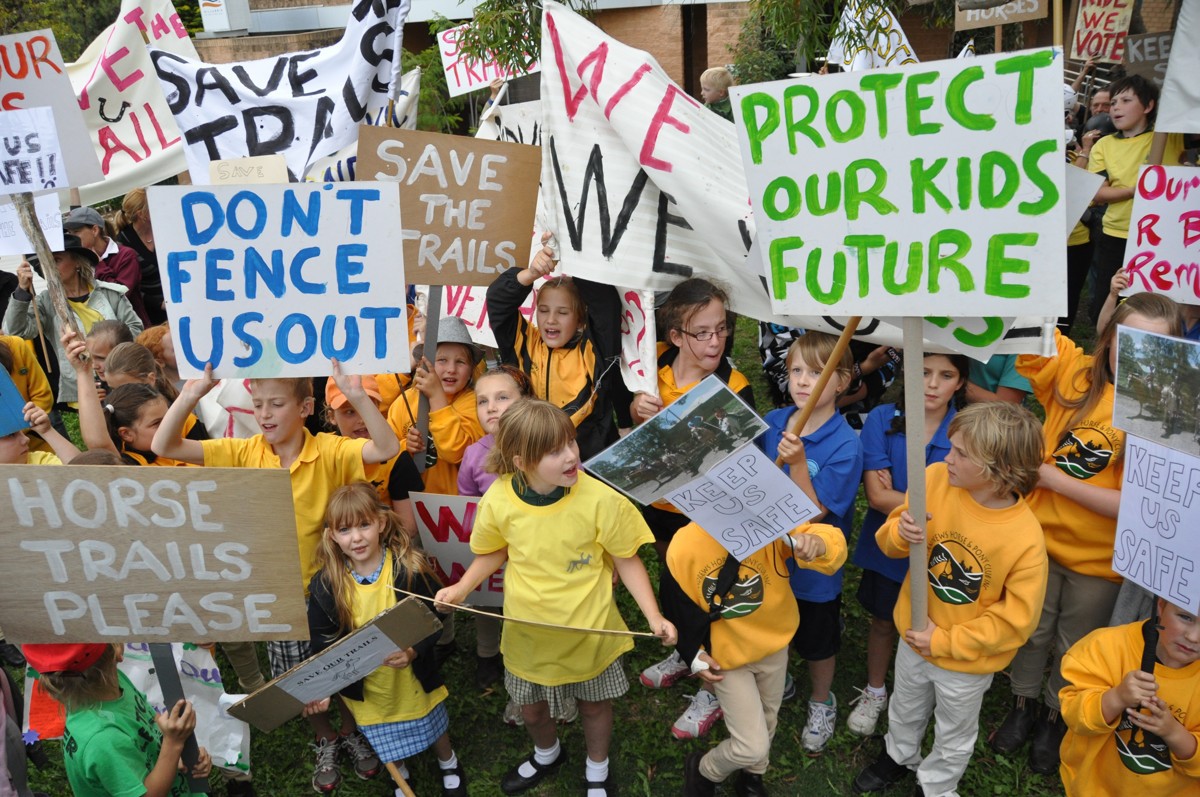
Children holding Save The Trails placards at the rally
2010 – 2012

The origins of the Nillumbik Horse Action Group

Arising from the initial PHBRS Management Plan conflict to give horse riders a cohesive voice, a grass-roots community group was formed around a kitchen table in Hurstbridge in 2010 and was finally incorporated on the 28th March 2012. With a consciously tongue-in-cheek name, The N.H.A.G or Nillumbik Horse Action Group was to act as a liaison with Nillumbik Shire Council and to be a strategic voice for the horse riding community going forward. Founded by community-minded local residents who were prepared to fight for riders’ ongoing access to the reserve trail network, this spirit remains today.

The Nillumbik Horse Action Group has always supported a sensible, objective, evidence-based, consultative and collaborative approach to the management of council reserves, the maintenance of the trails within them, and the environment and shared trails across the shire and beyond. This also applies to all matters relating to horse ownership and horse riding across Nillumbik Shire.

2011 – today

Keeping council accountable

To oversee the PHBRS Management Plan implementation and trail maintenance, a User Group of all recreational pursuits – horse riders, bikers and walkers, plus environmental interests was formed in late 2011 and met quarterly for 14 years until 2025 when council disbanded the group deemed no longer necessary. Cath Giles was the horse riding representative on this committee for the entire duration, joined periodically by other committed riders. This community dominated group kept council accountable and responsive to the community’s wishes, as well as coordinate volunteers to work on trail maintenance and other environmental and educational initiatives under the direction of council, to continue with the care of the reserves’ environment and access for all.

From those times to the present day, the NHAG strongly believes that the community is best served by achieving a fair and reasonable balance between community safety, recreational access and conservation. These principles apply to the groups’ ongoing interest and involvement in shared trail planning and delivery.

The group values the opportunity to advocate on behalf of the horse owning and riding community when it comes to the local trails, but to also educate trail users on the NHAG Code of Conduct and sustainable trail use.

The NHAG has also involved itself with land management education initiatives in collaboration with Nillumbik Council to ensure the care of the environment we all value and is a member of the Yarra Valley Equestrian Landcare Group.

The NHAG was instrumental in council’s funding of its ‘Equine in Nillumbik Plan 2020-2030’ to understand the value that horse ownership brings to the shire and to provide a strategic planning document for local equine pursuits with a keen focus on the importance of safe, shared trails and support of the local Adult Riding and Pony Clubs.
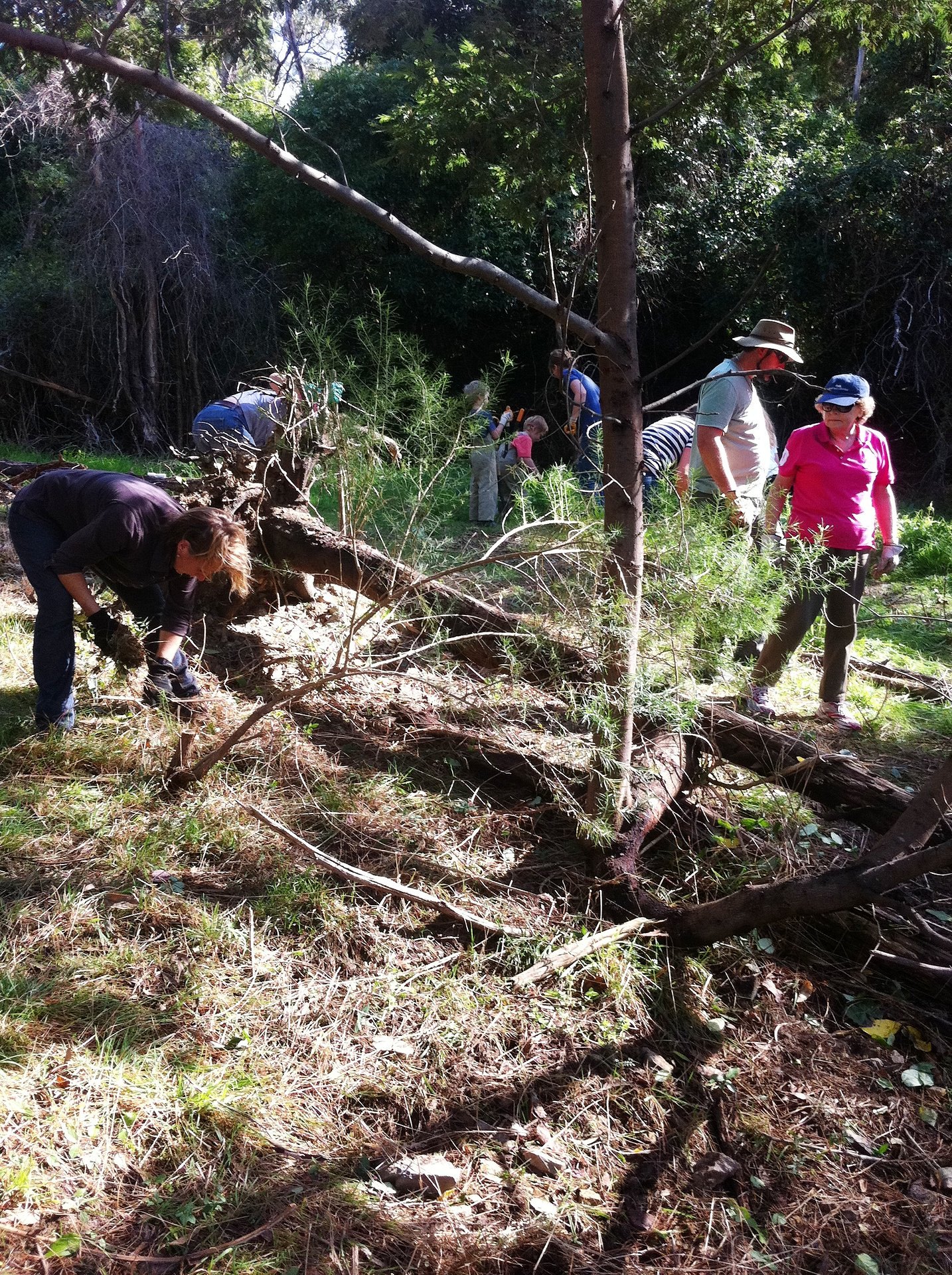
Volunteers at a Panton Hill Bushland Reserve working bee Volunteers coordinated through the User Group, working on trail maintenance in the reserves.
A living legacy

An appreciation of the environment and horse riding have never been mutually exclusive

As residents, horse riders and people with an interest and love of our neighbourhood bush lands and beyond, we understand that reserves, parks and forests are important for their outstanding natural features and the native plant and animal communities they contain. Trail horse riding is a sustainable and appropriate rural activity which is a living legacy and fosters a lifelong appreciation of and passion to preserve natural places for generations to come.

The NHAG has consistently worked to preserve, maintain and improve the shire’s shared trail network and the equine culture and character of rural Nillumbik which the group believes contributes significantly to the appeal, amenity, economic and environmental viability and sustainability of the Nillumbik Green Wedge.

Membership

Stay in touch, become engaged… be connected!

NHAG works to represent trail users in the Shire of Nillumbik on matters affecting the road side trails in the shire as well as the trails within the Panton Hill Reserve System.

Option one

Become a NHAG member

Please consider adding your support for NHAG by becoming a member. Membership includes:

  • Supporting a recognised equestrian entity to act on your behalf in dealing with council on trail matters in your local area.
  • Connect with like-minded individuals and organisations; exchange information and ideas.
  • Receive our e-newsletter.
  • Stay informed as to what is happening in 'your backyard'.
Download membership form
Option two

Subscribe to the mailing list

Just want to stay in touch via email? Email us and you'll be kept up to speed on all the local horse riding news, trail updates and events.

Ask to be added

Want to make a difference?

NHAG is always looking for passionate people to join the committee in its work to support the needs of trail users in the shire of Nillumbik. We meet quarterly and are all a lovely welcoming group of people — get in touch if you'd like to know more.
Email the committee
Your committee

The people behind NHAG

{{ c.name }}
{{ c.initials }}
{{ c.name }} {{ c.role }}
Riders on a shared trail
Watch your hoof prints

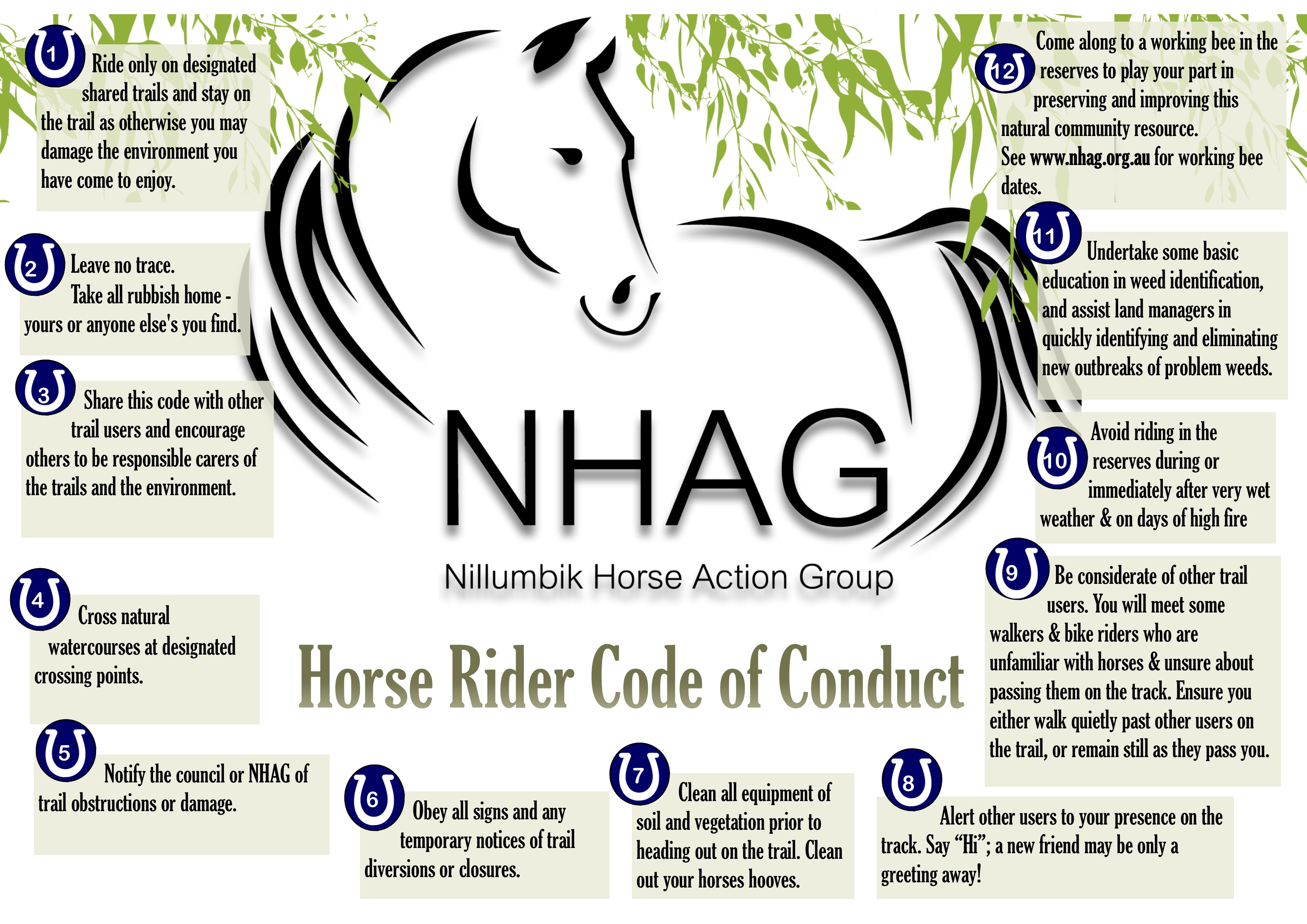
Horse Riders’ Code of Conduct

This Code of Conduct has been compiled by a forum of local people, representing both conservation and recreation interests.

Preserve Leave no trace. Stay on designated trails and take your rubbish home.
Manage Clean gear and hooves, report damage, and lend a hand at working bees.
Enjoy Be considerate of other trail users — a new friend may be only a greeting away.
NHAG Horse Rider Code of Conduct flyer
Gallery

Out on the trails

Riders, ponies and volunteers across Nillumbik — from the St Andrews Pony Club trail ride to working bees in the Panton Hill reserves.

{{ grp.title }}

{{ grp.sub }}
{{ lightboxAlt }}
{{ lightboxCount }}
News media

The campaign to save the Panton Hill trails

In 2010 a council draft plan proposed cutting rider access from nine trails to as few as two. Over the following eighteen months riders, families and pony clubs made their case through submissions, a rally and a 1,547-signature petition — and won access to five trails. This is how the local press reported it.
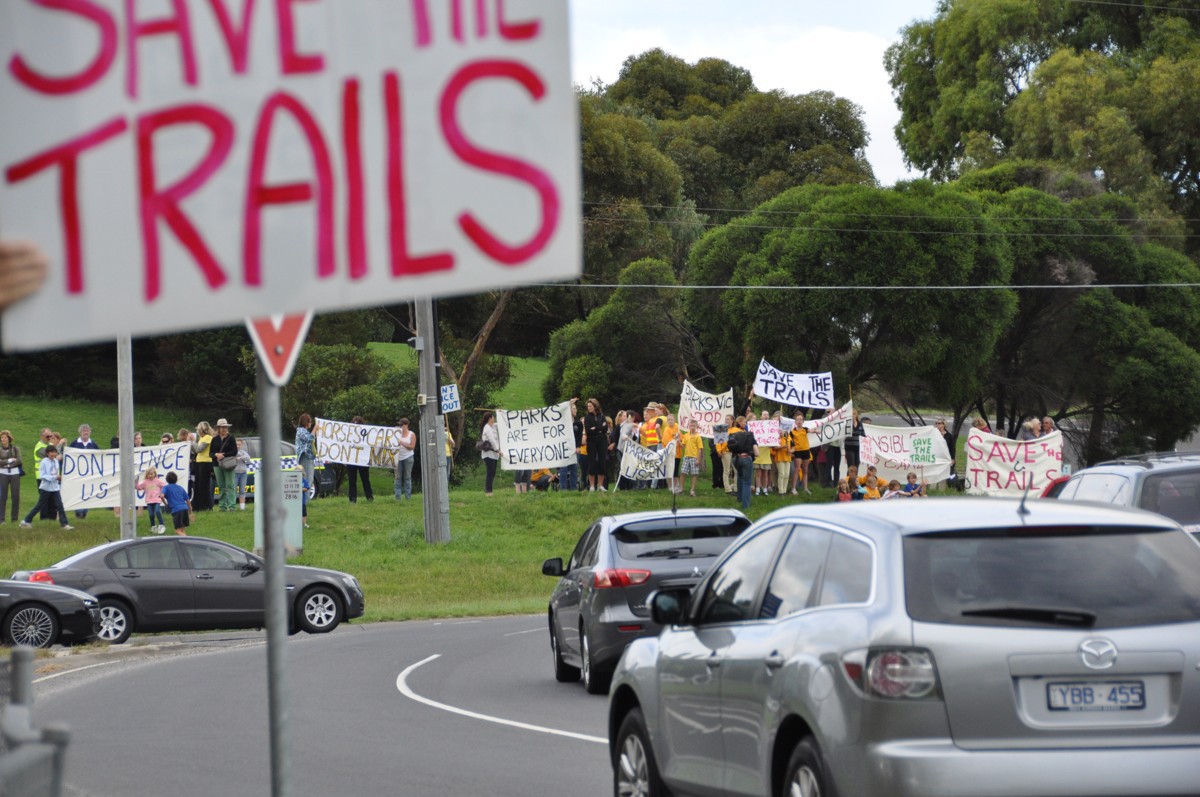
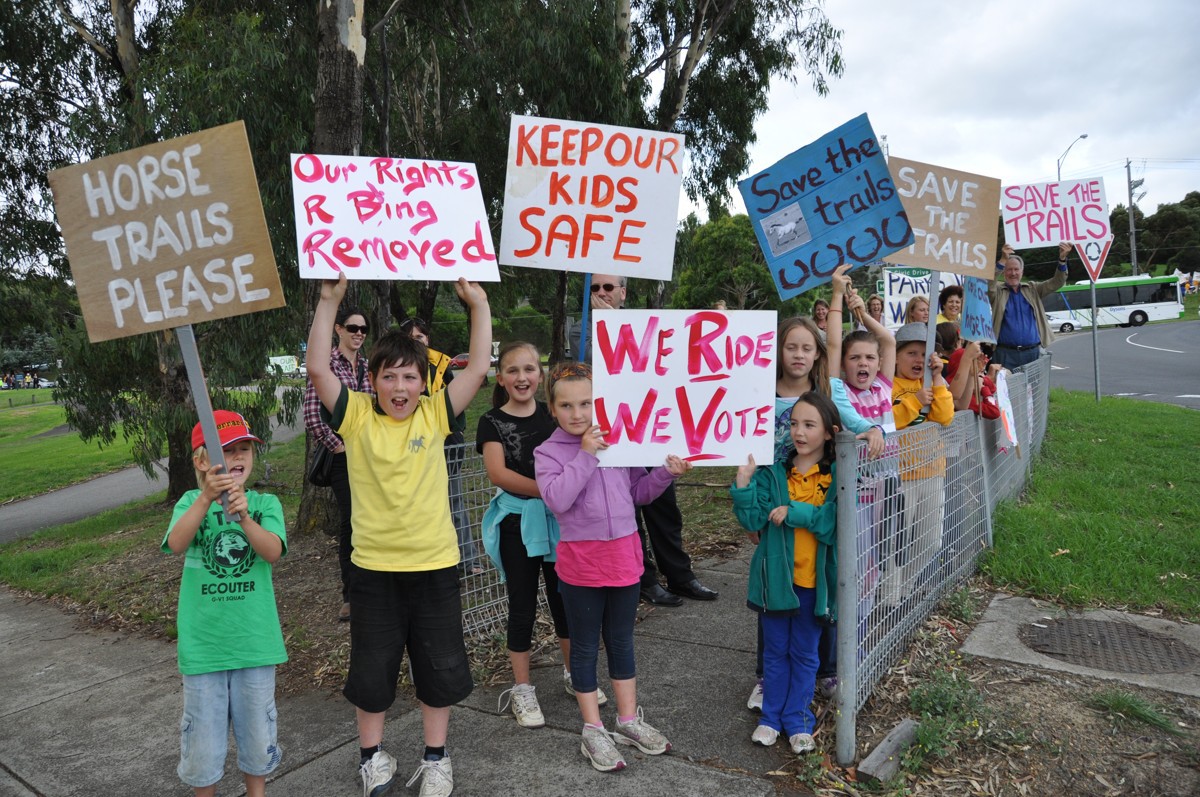
Riders and children marching with Save the Trails placards Children holding Save the Trails signs
Riders at Bunjil Reserve 2 Dec 10 @ 01:36pm Diamond Valley Leader by Shaun Campbell

Plan to protect bush hits Panton Hill riders

Horse riders at Bunjil Reserve are worried about a council plan to cut the number of trails from nine to two HORSE riders say they will be forced to use dangerous roads under a plan to ban them from riding on bushland trails near Panton Hill. Nillumbik Council’s draft management plan for seven bushland reserves in Panton Hill, Smiths Gully and Watsons Creek, released last week, allows horse riders access to three trails. But Kangaroo Ground Adult Riding Club members want two extra trails through Bulwidj and Bunjil reserves. Club member Sharon Banner said the only alternative to the links was dangerous roads. “They are little local links for horse riders to complete a safe ride,” Mrs Banner said. “They are part of a bigger ride we go along.” She said the present state of the reserves made “a very strong statement”. “These trails have been used by local horses for decades,” Mrs Banner said. “There is no evidence of major weed spread or infestation that can be in anyway attributed to horses using the reserves.” Kangaroo Ground Adult Riding Club district commissioner Ness Stables said horse riders could use nine trails in five of the reserves. She said the club would negotiate with the council during the plan’s upcoming consultation period. Cr Lewis Brock said he thought a “credible compromise” had been reached. “When it comes down to it, we want people to go there and appreciate it,” Cr Brock said. “I am sympathetic to those who feel most strongly that they have been cut out so I hope council officers will listen to the community.” Public consultation on the management plan starts this month with submissions expected to close mid-February. Details: nillumbik.vic.gov.au
Riders campaigning for Panton Hill trail access 15 Feb 11 @ 04:30pm Diamond Valley Leader by Raelene Wilson

Riders fight for access to Panton Hill bush

Horse riders at Bunjil Reserve are worried about a council plan to cut the number of trails from nine to two. Ness Stables and Lars Hegmann are pictured riding through the bush reserve. HORSE riders are mustering to fight a Nillumbik Council bid to lock them out of bushland reserves. The council’s draft management plan for seven reserves at Panton Hill, Smiths Gully and Watsons Creek allows horse riders access to just four of nine trails. The public, including horse riders, bushwalkers and mountain bike riders, have had unlimited access to all nine trails since the council took them over in 2000. But the draft plan report says unregulated access has contributed to soil disturbance, compaction, erosion, habitat degradation, weed invasion and the loss of significant animal species. Nillumbik Horse Action Group’s Cathy Giles said horse riders were being unfairly punished. “There are no weeds along the trails,” Ms Giles said. “They have mainly come off water courses and crept in from the edges of the reserves. We have asked the council for evidence that horses have introduced weeds and they haven’t been able to provide it.” She said horse riders wanted to continue using five of the trails and to work with the council to maintain them. But Friends of Panton Hill Bushland Reserves System’s Peter Semple said horse riders should be banned from the reserves to protect rare and threatened species, including the valley cranesbill and showy violet orchids. “Horse riders continue to deny that horses spread weeds and cause erosion,” Mr Semple said. “Their environmental destruction, including weed dispersal and erosion, is scientifically documented.” Mayor Helen Coleman said trails where a ban was proposed would be replaced by nearby alternative trails. Public comment on the draft plan closes on February 25 and will be considered by council in April. Nillumbik Horse Action Group will hold a Save the Trails rally at 5.30pm next Tuesday, February 22 outside the council offices at Civic Drive, Greensborough.
Save the Trails rally at the Nillumbik Council offices 24 Feb 11 @ 04:00pm Diamond Valley Leader by Raelene Wilson

Panton Hill reserve protestors not horsing around

Horse riders walked and rode to the steps of Nillumbik Council offices to air concerns about closure of horse trails in the shire. PROTESTERS got on their high horses earlier this week in a bid to stop Nillumbik Council locking them out of bushland reserves. More than 150 horse riders took to Nillumbik Council’s Greensborough offices on Tuesday, February 22 to rally against a draft plan for reserves at Panton Hill, Smiths Gully and Watsons Creek. Under the plan riders, who have had unlimited access to the trails since the council took them over in 2001, would have access to only four of the nine trails. Protesters, many of them children belonging to Nillumbik’s nine riding clubs, waved signs calling on the council to “save the trails” and “protect our children’s future”. According to the draft plan unregulated access to the trails has contributed to soil disturbance, compaction, erosion, habitat degradation, weed invasion and the loss of significant animal species. A petition with more than 1547 signatures was presented to Mayor Helen Coleman. Cr Coleman said it was important protesters recognised the management plan was only a draft. Public comment on the draft plan closed last week and will be considered by the council in April or May.
Riders on a Panton Hill bushland trail 8 Jun 11 @ 07:00am Diamond Valley Leader by Raelene Wilson

Chafing at the debate over Panton Hill reserves

Councillors heard from 40 residents, including horse riders, conservationists, scientists and children. NILLUMBIK residents pitched their cases for and against horse riding in the Panton Hill Bushland Reserves last Wednesday. Councillors heard from 40 residents, including horse riders, conservationists, scientists and children, on a draft management plan for the reserves at a meeting at Apollo Parkways Primary School in Greensborough. The DV Leader covered last week’s debate on the future of the Panton Hill Bushland Reserve System, live on Twitter. Public submissions were overwhelmingly in favour of keeping five of nine trails open to riders, a move Nillumbik Horse Action Group spokeswoman Cathy Giles said was a reasonable compromise. Young horse rider Lucy, 9, called on councillors to keep trails open to provide a safe place for children to ride away from roads, while student Jessica Riley described her near miss with a car near Smiths Gully. But former mayor Greg Johnson said the environment had lost its voice in the debate, which has focused heavily on horse trails. “The debate has been skewed by their alleged use right instead of the habitat value of the reserves,” Mr Johnson said. Hurstbridge resident Chris Andrews presented a photo slideshow of erosion and weeds in the reserves, including black nightshade and common horsetail, which he said had been introduced by horses. Mayor Helen Coleman said a lack of repetition in the submissions showed the complexity of the issue. Councillors will decide on the draft plan on June 28 at a meeting at Kangaroo Ground Emergency Centre.
Residents at the council hearing on the Panton Hill reserves 06 Jul 2011 @ 03:27pm Banyule & Nillumbik Weekly

Panton Hill Bushlands Reserve: horsing around given go ahead

Riding retained on four trails, with an advisory group and a code of conduct to follow. HORSE riders will retain the right to ride through Panton Hill Bushlands Reserve after Nillumbik Council passed a controversial management plan for the reserve. Last Tuesday, Nillumbik Council adopted the revised management plan for the bushlands which would allow horse riding on four trails through Wimbi, Bunjil, Bulwidj and Yirrip Reserves. The final plan backflipped on a 2010 draft plan which would have meant horse riding was banned from the Bunjil and Bulwidj trails. More than 130 submissions were received in response to the 2010 draft plan, and 40 people gave presentations to the council in May. Nillumbik mayor Helen Coleman said an advisory group would be formed to oversee the recreational use of the reserves. A code of conduct would also be created to protect the conservation values of the reserves, she said. Nillumbik Horse Action Group spokeswoman Cathy Giles said: “I’m delighted that horse riding has been recognised for its legitimate use of the trails for the past 50 years. These trails were set aside for the enjoyment of the community, not just the preservation of the bush.” While she acknowledged the impact of horse riding on the reserves, she said the lack of management of the reserves was “the single biggest cause of degradation”. She said the advisory group would allow both horse riders and conservationists to “turn our attention to improving the reserves”. Friends of Panton Hill Bushlands Reserve secretary Sueann Penrose said the group, which fought hard against horse riders, was very disappointed with the plan. “The council have had no thought for the future environmental integrity of the reserves. “We’re not anti-horses, but we think it is a shame the council bowed to pressure from the horse lobby.” Mrs Penrose said it might be difficult to reach a consensus on an advisory group. Friends of Nillumbik chairwoman Colleen Hackett said: “Public scrutiny will certainly be on riders who will have the responsibilities of being joint custodians of the reserves.” Ms Hackett welcomed the advisory group, and called on both horse riders and conservationists to work together.
Riders on the Panton Hill trails after the council decision 3 Nov 11 @ 12:04pm Diamond Valley Leader by Shaun Campbell

Riders win access to Panton Hill bushland

Horse riders have been campaigning since last year. A CONTENTIOUS creek crossing leading to environmentally significant bushland at Panton Hill will remain open to horse riders. Nillumbik Council last week agreed to keep a path through Long Gully Creek open despite fears the crossing was unsafe. Mayor Helen Coleman said the decision, which opened access to Bunjil Reserve’s northern spur trail, was based on legal advice and information from Parks Victoria. She said signs warning trail users of the crossing’s hidden dangers, such as flooding, would be erected in the reserve and on Long Gully Rd. Nillumbik Horse Action Group chairwoman Cathy Giles said the move, which gives horse riders access to five trails in the Panton Hill bushland system — something they have campaigned for since last year — was great news for the community. “It is an outstanding result for those who value the reserves, not only for environmental reasons, but the recreational aspects of being able to ride and enjoy them,” she said. But Friends of the Panton Hill Bushlands Reserve System chairman Peter Semple said opening the crossing would spell disaster for the shire’s most precious recreation reserve. “Since the council’s recreational trail goes along Long Gully Rd this will encourage people from across Melbourne to ride through the reserve,” Mr Semple said. Ms Giles said she had put her hand up to join a committee to help maintain the 140ha Panton Hill bushland reserve system, which includes seven reserves in Panton Hill, Smiths Gully and Watsons Creek. Mr Semple said a member of his group had also expressed interest. Nominations will be reported to the council later this month.
Articles reproduced from the Diamond Valley Leader and the Banyule & Nillumbik Weekly, 2010–2011.
Articles & videos

NHAG articles

Practical guidance for riders, the writing that came out of the Panton Hill campaign, and the videos our community made for council.

Article

Prevent Cinnamon Fungus in our reserves

Pick · Brush · Spray

A sinister invader

Cinnamon Fungus (Phytophthora cinnamomi) is a microscopic, soil borne pathogen (disease causing organism) that attacks and destroys plant root systems, causing plants to die through lack of water and nutrients. Patches of dead or dying vegetation can indicate the presence of this silent killer, and grass trees are particularly susceptible. It is spread through infected plants and the movement of contaminated soil and gravel, and there is no known cure.

Easily spread

While the pathogen can spread locally through soil or water via tiny swimming spores, it is more commonly spread through the movement of contaminated soil and gravel carried by vehicle or foot traffic. It can also be spread through infected plant material and potting mix.

Kinglake National Park

Cinnamon Fungus has been introduced to Kinglake National Park by infected soil on vehicles. It is on our doorstep, and you can help prevent it from infesting our reserves with a few simple actions.

What every rider can do
  • Avoid riding in the wetter months.
  • Before riding, pick out the hooves.
  • In your vehicle, back pack or saddle bag, carry a hoof pick, a hard bristle brush and a spray bottle of anti-fungal solution.
  • At the end of your ride and before leaving the park: pick out the hooves, brush out any excess soil, and spray with anti-fungal solution.

These simple actions will ensure you do not bring home more than a wonderful experience in the bush.
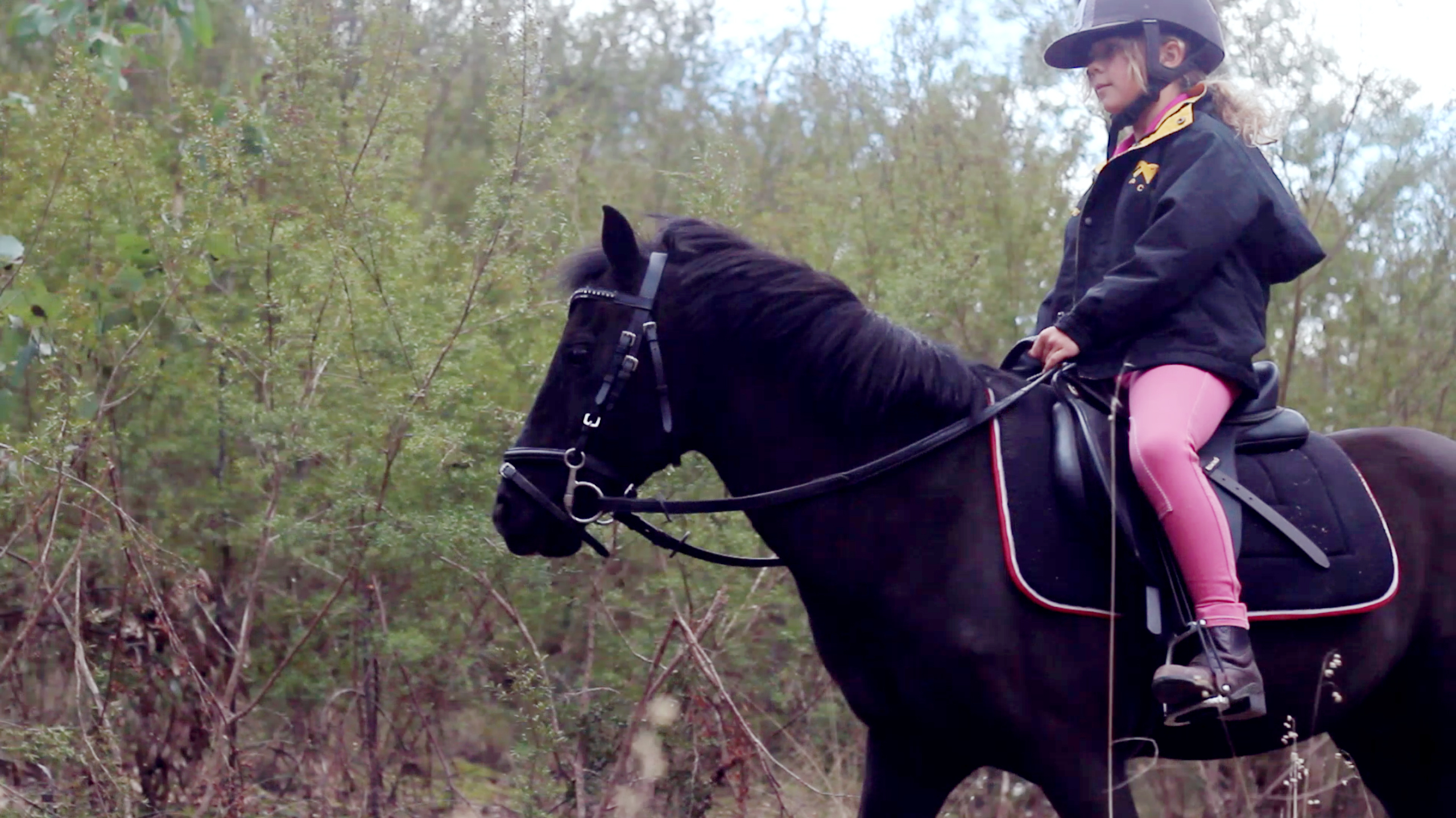
Riders on a bush trail Clean gear in, clean gear out — the simplest thing riders can do for the reserves.
Guide

Mountain bikes and horses

Tips for riding shared trails

While we all enjoy the shared recreation trails and rural roads/roadsides of Nillumbik, from time to time mountain bike riders and horse riders will come into contact at close quarters. To make those encounters enjoyable for both parties, here are a few tips to consider:

  1. 1 Horses are flight animals and if frightened can react on occasion by shying, rearing, kicking out or running from the ‘killer bike’, so when you meet a horse rider it helps to slow down or preferably stop. It helps even more if you call out and say “hello” so that the horse understands that ‘it’ is just a human, and if you happen to have a carrot in your back pocket along with your gel sachet and puncture kit, you can make a friend for life.
  2. 2 Many of the trails we share are single track with blind corners and foliage that can block the view of the trail ahead. As bikes are the faster moving user, if riders are looking down at the trail just in front of them, they can suddenly be upon another trail user either coming in the opposite direction or directly in front of them. So to avoid having a close encounter (of a possibly unpleasant kind), please ride according to the trail conditions.
  3. 3 If you have sighted a horse rider before they have sighted you, please let them know you are on the trail/road by calling out “bike coming through” or even better “hey good looking” (many horse riders are women over 40, so they may well appreciate the compliment). Apologies in advance to those biker gals amongst you, there just aren’t many fellas to share around from our ranks!

    And for the younger bikers, please make sure the iPod volume is low enough that you can still hear someone calling out - better still, leave one of the ear pieces out.
  4. 4 Most horse riders understand that Saturday and Sunday early am are the prime usage time for mountain bike riders, and generally try to avoid using the trails at this time for the benefit of all. However, this is not always practical (especially in Summer), as we all like to ride before the heat of the day. So please be aware that no matter what the time of day, you may come across a horse and rider.
  5. 5 To prevent possible damage to vegetation we strongly discourage horse riders from leaving the trails, so would be grateful if you could give way to horses and move off the trail while they quietly walk past you.
  6. 6 It is worthwhile knowing that most of the horse riders in this area are local residents who have been riding these trails and roadside verges for decades. So if you get a little lost or need a hand, just ask and they are likely to be more than willing to help if they can - and if they aren’t, you have just met the odd one….... and all groups have them!

Horse riders really appreciate your cooperation and trail camaraderie, and look forward to saying “hi” when we meet out on the trails. Some common sense, a little courtesy and a bit of humour on everyone’s part (remember your backside can look as large in lycra as ours do in jodhpurs), will go a long way to making an enjoyable and safe recreational experience for all.
THANK YOUNillumbik Horse Action Group Inc.nhag@nhag.org.au
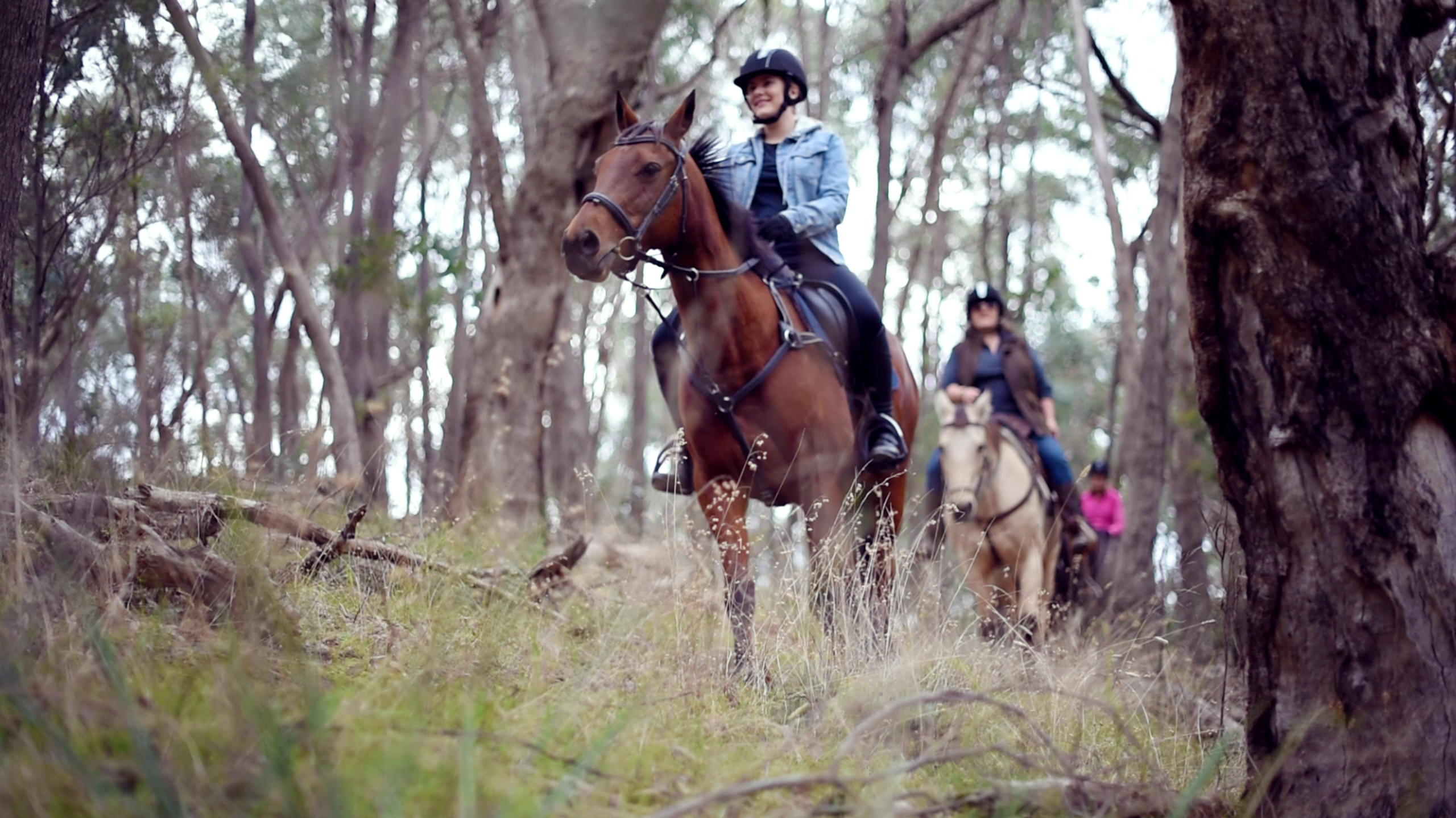
Horse riders on a shared trail in Nillumbik Shared trails work when everyone expects to meet everyone else.
Poem

A parent's worst nightmare

By Lawrence Webb

Written during the Panton Hill campaign, and reproduced with permission.

A shady path in Hurstbridge lies, it carries a young girl’s name,
Reminder to a child’s loss, and we were all to blame.
We knew our winding lanes were full, more traffic from outside,
We knew, and yet we didn’t act, until a young girl died.

Four months from then we built the path, community as one,
Yet twelve years on we’re closing trails, is justice being done?
For while our roads are still the same, the traffic now has changed,
We’re firmly on the tourist path and in the city’s range.

Most every month a parent stops, sick worry through their core,
A horse is bolting rider-less; they go to see the score.
Loose stirrups beat upon its flanks, the horse is running wild,
There’s someone lying by the road, pray God it’s not my child.

A host of local children have grown with horses, bikes and larks.
We should be glad they play outside — healthy people, healthy parks!
But they have to play in safety, and as parents that’s our task,
And there’s got to be a balance, half the tracks is all we ask.

Before you close these trails I ask you walk that young girl’s Way,
And ask yourself, in twenty years, what will the children say?
And ask yourself, in twenty years when roads are busier still,
How many paths with children’s names will wind round Panton Hill?

Videos

From the campaign

KEEP US SAFE — PHBRS Recreational Plan submission August 2010 A unique DVD submission sent to Nillumbik Council in August 2010 from the young people in the community, in response to the Panton Hill Bushland Reserves Draft Recreational Policy Position & Trails.
Dear Councillors, from NHAG February 2011 A presentation by NHAG for the councillors of Nillumbik regarding the Panton Hill Bushland Reserve Draft Management Plan.
Two riders on a bush trail
Trail Facts

Trail Facts

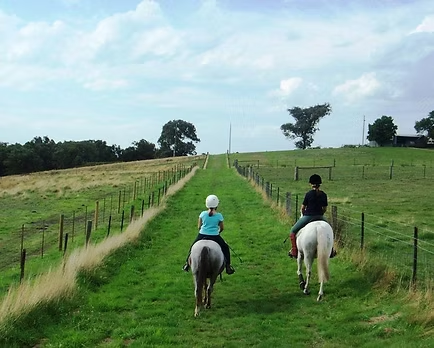
Two young riders on a farm track
Our position

Manage · Preserve · Enjoy

An appreciation of the environment and trail horse riding are not mutually exclusive. As residents, horse riders and people with an interest in and love of our neighbourhood bushlands, we appreciate that reserves are important for their outstanding natural features and the native plants, animals and ecosystem they sustain.

We as a community can balance environmental protection and conservation with recreational access through sensible co-operation, education and responsive management.

Trail horse riding is not a threat to native forests, national parks, reserves and roadside verges. Rather, it is a living legacy worth protecting as a community-based activity that aligns with the shared goals of public land enjoyment and conservation stewardship. With strategic collaboration and continued support, equestrian trail access can remain a safe, sustainable and celebrated feature of Nillumbik Shire and beyond.

Unfortunately, however, contentious claims can be made by representatives of the environmental lobby who oppose horse riding in natural areas, that it causes significant environmental damage.

These claims are not evidence aligned and do not account for the many dynamic factors that can have an impact on the natural environment. Horses are quite simply a visible ‘easy target’.

The most frequent claims that are ‘trotted out’ (pardon the pun), are that trail horse riding causes disturbance to vegetation, erosion, weed spread and can create user conflict.

These claims are often ideologically based and are largely unsubstantiated opinion, or based on a misinterpretation of the research. Sadly, the accusations have been repeated so frequently over time that they have become accepted by some as fact.
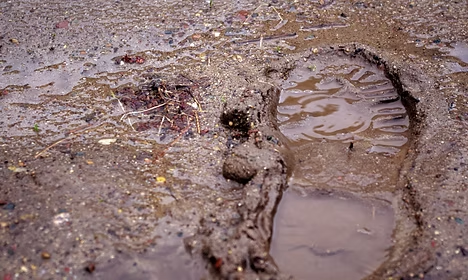
A human footprint pressed into the ground All forms of human activity can have an impact on the environment
Common sense

Common sense

  • While significant areas of the public land estate are infested by weeds, horses have limited access to many of those affected areas
  • Some of the most significant threats to the environment are from weeds not eaten by horses such as blackberries, cape broom, gorse, scotch thistle, boneseed and capeweed
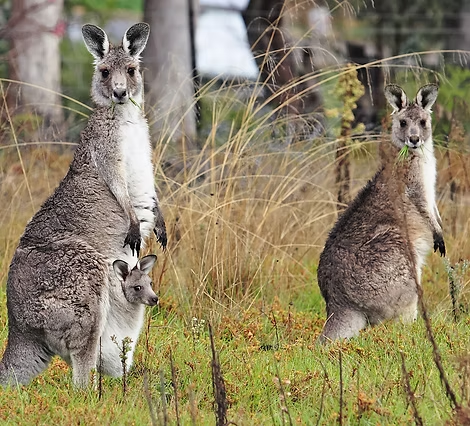
  • Native animals such as kangaroos, wallabies and wombats regularly feed on the same pasture as horses and are free to roam, leaving their droppings throughout the bush – if horses can spread weeds, then they can too
  • Horse riders largely remain on established, formed trails and 4WD tracks where manure cannot germinate and mature into seed producing plants
  • There is no controlling the dynamic environmental conditions of wind, rain run-off and wandering animals (both native and pest species) that primarily contribute to weed spread and erosion
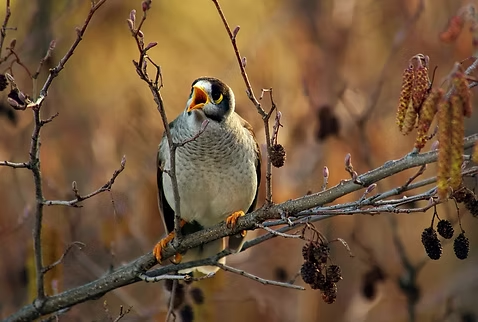
A native bird perched on a branch Kangaroos grazing in Nillumbik bushland
Birds / animals, wind and flowing water / run-off are far greater carriers of weed seed than trail riders
A grassy horse trail through the reserves Trail design and management impact sustainability
Claim That horse riding creates erosion
Fact Horses can have an impact on trails, but realistically no more than walkers and significantly less than mountain bikes or vehicles on tracks which are not managed. Erosion on trails is mainly attributable to other dynamic factors such as significant rainfall events and topography, than to passive recreational use.
Research
This concept has been applied to recreational trails by Kuss (1986) who noted that, “almost any rainstorm or level of use impacts new trails, but that extreme storm events, or very heavy use, is needed to initiate change on existing tracks”.
“Impacts by horses on trails or roads formed for bushfire management and other vehicle use/access are minimal because of surface conditions and construction.” Beavis, 2000
“On the multi-use service trails approved for horse riding, there was no observed serious erosion. There was little evidence of off-site sediment deposition that could cause serious habitat degradation. There was no observed erosion that would jeopardize the integrity of the eco system associated with the trails.” Sawyer, 1999
Claim That only horses spread weed seeds
Fact Horses are a possible vector of seeds, but no more than humans carrying seeds on their clothing, footwear, socks, camping gear, bikes and vehicles. Machinery can also be a common carrier of weed seeds. Native and feral animals (including birds) which wander at large, and the natural elements of wind and water are greater vectors than horse riders using trails, where manure cannot propagate and mature into seed producing plants. The seeds likely to be ingested by horses are grass seeds, not the seeds of the weeds which pose a greater threat. Horses rarely consume the principal weed species.
Research
“Review of the available literature suggests that there is no causal link between horses and dispersal/establishment of weeds on national park trails.” Beavis, 2001
“The limited field evidence then suggests that horse manure is not a major contributor to the spread of exotic plants in conservation areas.” Horses for Courses, 1997, NSW NPWS — Conroy and Hart
Extensive research undertaken in the Duffy’s Forest Endangered Ecological Community when listing the area under New South Wales threatened species legislation concluded: “There were no areas of weed that could be directly contributed to horse activity. The diffuse nature of the manure appears to be incompatible with seed germination or simply, there are no weed propagules in the manure that are capable of establishing and persisting on these trails.” Sawyer, 1999
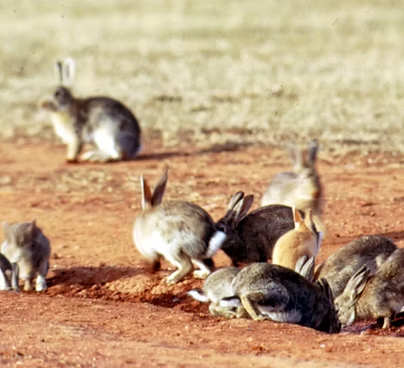
Rabbits on bare ground Many dynamic environmental processes can cause erosion
Stewardship

Environmental alignment

Trail horse riders regularly uphold trail ethics and stewardship practices that reinforce conservation priorities:

Trail ethics in practice

Everyday habits that protect the reserves:
  • Riding on designated multi-use trails and formed management roads
  • Accessing natural watercourses at established crossings
  • Participating in hazard identification, trail reporting, volunteer maintenance and citizen science
  • Supporting seasonal closures and ecological event responses

Compliance record and data-driven support

Both individuals and horse riding groups demonstrate strong compliance with access rules and trail etiquette:
  • High levels of voluntary adherence to designated trail usage
  • Low incidence of environmental breaches when education and signage are in place
  • History of successful partnership events with government oversight and risk management
  • Readiness to support citizen science initiatives, monitoring flora, fauna and trail integrity

These practices reflect a commitment to coexisting with and protecting natural ecosystems while safely and respectfully accessing public lands.

Community

Social, cultural and accessibility impact

Trail horse riding fosters unique contributions to Victoria’s public land experience as it:

  • Offers inclusive recreational access, especially for individuals with compromised mobility who are unable to walk long distances or engage in high-impact activities
  • Is especially popular amongst women and girls, who make up a significant proportion of participants in Victoria and across Australia
  • Builds intergenerational and regional connections, reinforcing cultural legacy and rural identity
  • Supports mental health and wellbeing through equine-based nature immersion
  • Encourages respectful interaction and improves behaviours amongst diverse user groups and increases awareness of natural values

Protected areas should remain spaces where cultural heritage and mental health and wellbeing are actively supported through low-impact engagement like horse riding.

Evidence

Scientific committee findings

The Scientific Monitoring Program for the South-East Queensland Horse Riding Trail Network — as detailed in the 2022 interim assessments for Bellthorpe, D’Aguilar, Mapleton, Springbrook & Nerang, Tewantin & Eumundi, and Woondum National Parks, confirms that regulated horse riding, when confined to designated trails and supported by stewardship practices, poses no greater environmental impact than other recreational uses.

Key findings across the six reports include:

Minimal disturbance to native vegetation on maintained trails
Low weed spread risk attributable to horse riding
No significant soil degradation or erosion beyond baseline levels
Effective mitigation strategies through signage, rider education, and seasonal closures

This validates the NHAG’s position that responsible equestrian access can coexist with conservation goals. The NHAG supports trail access, planning and management that is evidence-aligned and ecologically sustainable.

Queensland Government research, 2013

What communities, visitors and organisations actually say

Community attitudes and social impact

A 2013 study commissioned by the Queensland Government, Attitudes of Local Communities, surveyed residents living near six national parks involved in the South-East Queensland Horse Riding Trail Network. Key findings include:
  • Horse riding was viewed positively by both users and non-users of the parks, especially when compared to motorised activities like trail biking and four-wheel driving
  • Minimal social conflict was reported between horse riders and other recreational users
  • Local identity and sense of place were strengthened by equestrian access, particularly in peri-urban and rural communities
  • The report concluded that non-motorised activities like horse riding are socially acceptable and valued by nearby residents

Visitor sentiment and recreational harmony

A 2013 study commissioned by the Queensland Government, Attitudes of Local Park Visitors, surveyed 715 individuals across six protected areas containing horse riding trails. Key insights include:
  • Horse riding was perceived positively by most visitors, especially when compared to motorised activities like trail biking and four-wheel driving
  • Minimal conflict was reported between horse riders and other recreational users such as bushwalkers and mountain bikers
  • Visitors noted that horse riding contributed to the diversity of park experiences and was compatible with conservation values when conducted responsibly
  • The report concluded that non-motorised activities like horse riding are socially acceptable and valued by the majority of park users

Stakeholder perspectives and organisational support

A 2013 study commissioned by the Queensland Government, Perceptions of Stakeholder Organisations, surveyed 50 groups involved in conservation, recreation, and land management. Key findings include:
  • Horse riding was generally supported by recreation-based organisations, especially when conducted on designated trails
  • Conservation-focused groups expressed mixed views, with some citing concerns about environmental impact, while others acknowledged its cultural and community value
  • Stakeholders agreed that motorised activities like trail biking and four-wheel driving posed greater social and ecological risks than horse riding
  • The report recommended ongoing collaboration and education to align horse riding practices with conservation goals

These insights reinforce the NHAG’s position that horse riding is not only environmentally sustainable but also socially supported. Community sentiment should be considered alongside ecological data when shaping access policies.

These findings reinforce the importance of maintaining equestrian access as part of a balanced, inclusive approach to public land planning and management.

This highlights the importance of stakeholder engagement and the potential for shared stewardship models that balance recreation with environmental protection.

Looking ahead

The NHAG seeks to:

  1. 1 Maintain and protect current horse-riding trail access across eligible protected areas
  2. 2 Review and designate additional multi-use trails, especially where equestrian demand and land capacity intersect
  3. 3 Contribute to joint stewardship programs with land managers for trail monitoring, education and maintenance
  4. 4 Support accessible signage and clear trail mapping, reducing rider confusion and unintentional breaches
  5. 5 Promote the contribution of trail horse riding to rural identity, community wellbeing and vibrancy, and conservation awareness as part of broader land management strategies
Acknowledgement to the Australian Trail Horse Riders Association – Sustaining Horse Riding Access in Victoria’s Parks and Forests.
Contact

Get in touch with NHAG

Questions about the trails, membership, the mailing list or joining the committee — email us and we'd love to hear from you.

Email us

The best way to reach us

nhag@nhag.org.au

For further information please contact NHAG — Nillumbik Horse Action Group Inc. Drop us a line about the trails, membership, the mailing list or joining the committee. We're all volunteers, so please allow a few days for a reply.
Send us an email

Useful contacts

{{ c.name }} {{ c.detail }} {{ c.note }}
Join the mailing list Not ready to become a member? Ask to go on the email list and we'll keep you up to speed on trail news, working bees and council decisions. Ask to be added
Follow along NHAG on Facebook